

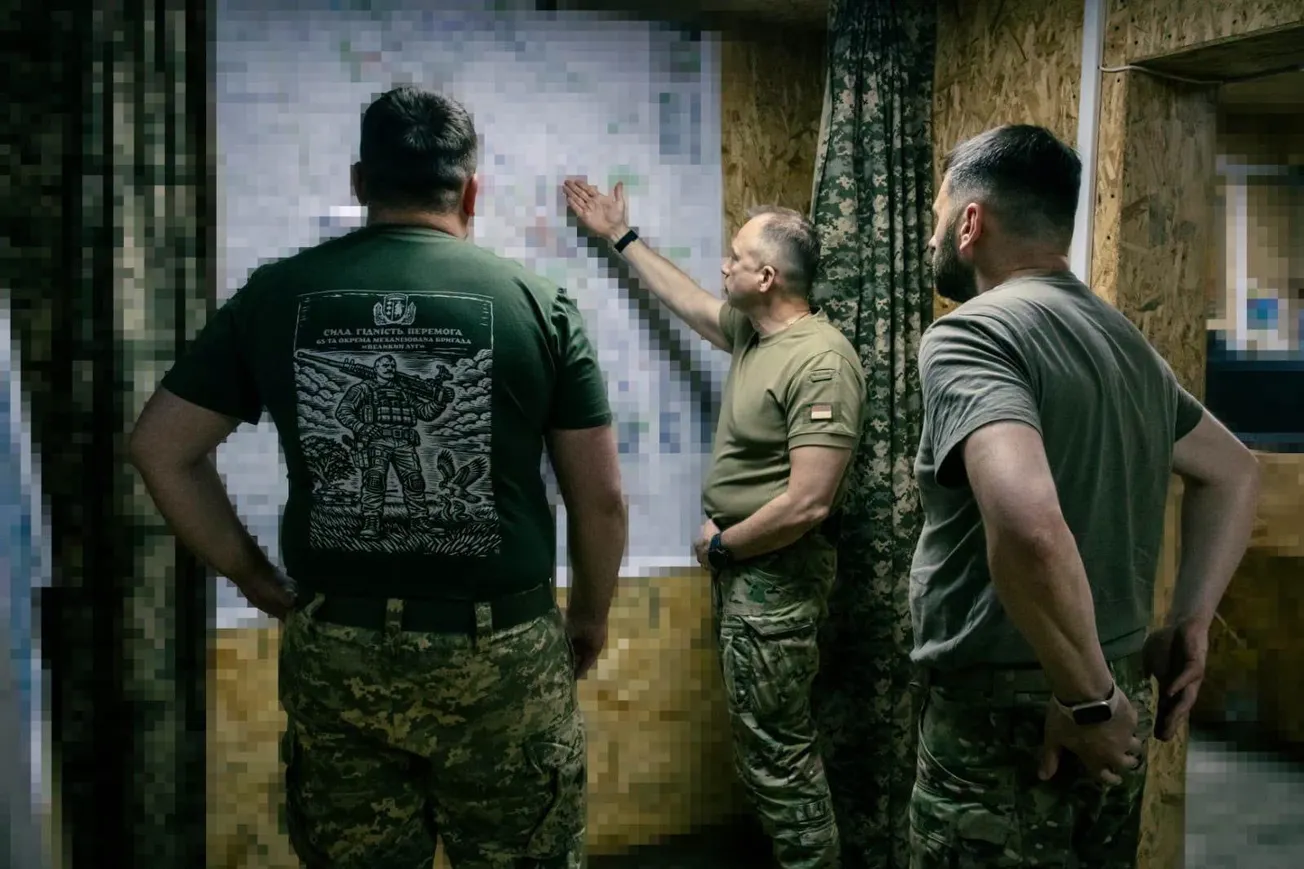
Lost among stories of Russian forces trying to advance small numbers of men across kilometers-wide death zones prowled by a variety of lethal drones, there's something else happening as the war moves deeper into 2026: successful Ukrainian counterattacks.
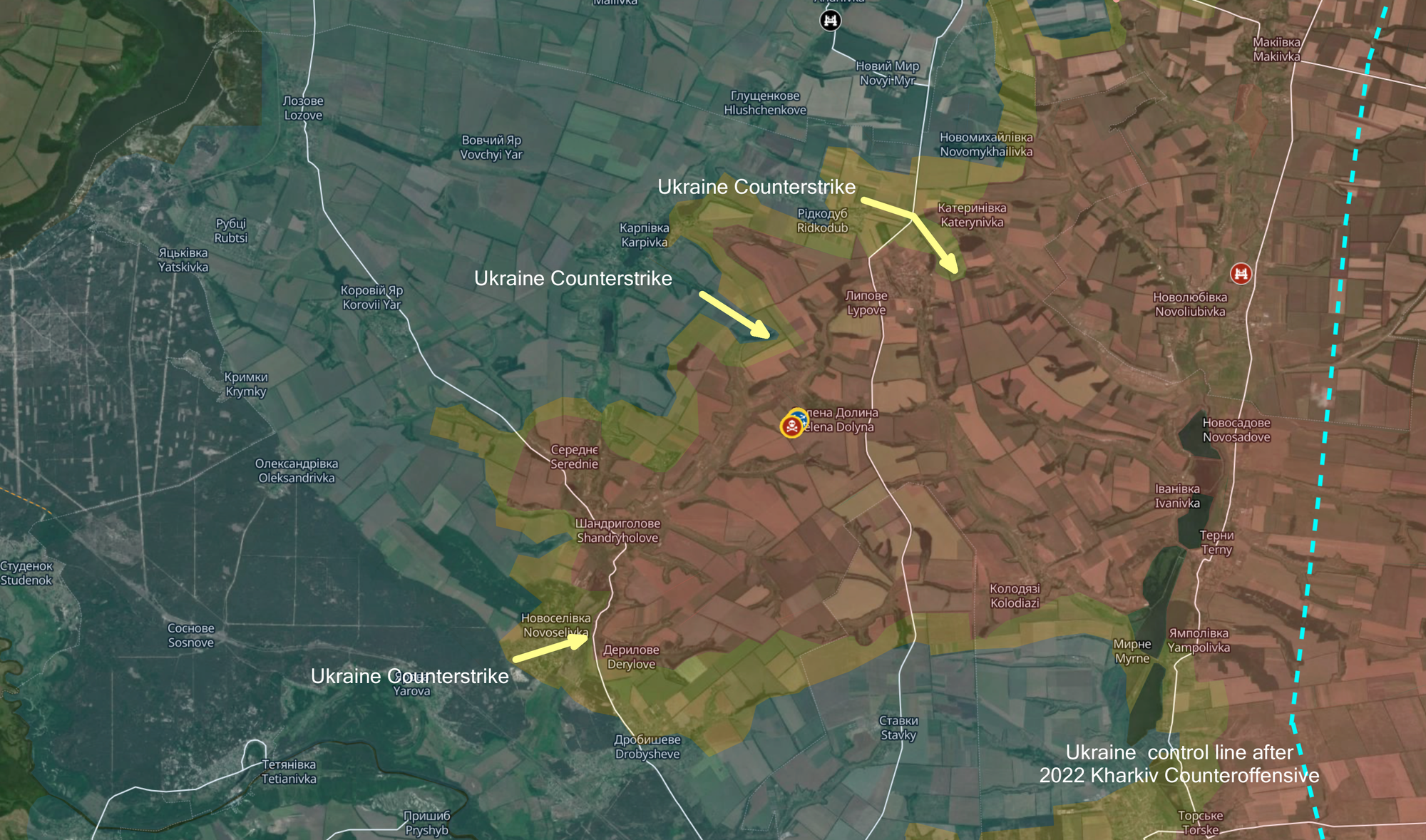
In the last weeks, Ukraine has begun to push Russian forces at multiple points along the front. That includes attempts to cut through a 20 kilometer Russian salient north of Lyman.
In one sense, it's tragic to even see fighting taking place again near locations like Derylove, Drobysheve, and Lypove in Kharkiv Oblast. These are all towns that Ukraine liberated in its 2022 counteroffensive. The speed of that movement meant that some of these locations survived the first round of occupation with many structures intact. As Russia has slowly ground its way back into the area, damage has been much more extensive.
On the other hand, it says something that Ukraine isn't just sitting back in this area to pound Russian infiltration forces with drones. And maybe what it says is that Ukrainian leadership believes that it finally has the tactics necessary to advance on a drone and artillery-dominated battlefield.
In the spring of 2026, Russia began what was easily the most highly anticipated action in the last three years of Vladimir Putin's illegal invasion of Ukraine. According to state media, Russia military bloggers, and many analysts, Russia had piled up enormous forces of fresh troops along the borders of Donetsk, Zaporizhzhia, and Kharkiv ready to crush remaining Ukrainian resistance.
Russia had made significant advances the previous fall, pressing into the heart of Donetsk from the southeast, cutting back into Kharkiv, and making Putin's goals seem more than possible. Russian forces in the north were again threatening to come within striking distance of the Kharkiv city as the "fortress belt" cities of the east looked increasingly vulnerable.
Meanwhile, Donald Trump was snubbing Ukrainian President Volodymyr Zelenskyy in public meetings, telling him he had no "cards." In fall negotiations, Trump and J.D. Vance tried to bully Zelenskyy into an agreement that rewarded Russia and left Ukraine a puppet state. Many of the media reports on Ukraine at the time centered on the high level of desertion in their exhausted forces
Russians were practically rubbing their hands together in anticipation of forcing Zelenskyy to surrender half his nation, most of his armed forces, and all of his ambitions to join NATO or the European Union. They even expected the West to pick up the tab for the war. As the big push began, Trump declared that Zelenskyy had even fewer cards than when Vance had ridiculed the Ukrainian leader for not wearing a suit to the White House.
Four months later, Russia has little to show for their action. Except, that is, for an additional 300,000 casualties. In fact, in February and March, Ukraine drove back Russian forces along the Vovcha River. In May, Ukraine notched its first net gain of territory since 2023. By June, Russia's offensive ground to a halt as Ukraine again matched Russian advances.
The June data showed a Russian net gain of 30 square kilometres, focused in the northeastern Kharkiv region. But those gains were largely down to previous Russian incursions being upgraded to advances, as more evidence came to light, said the ISW. Ukrainian forces gained 11 square kilometres in the southern Zaporizhzhia region and 18 square kilometres in the central Dnipropetrovsk region.
Those 30 kilometers that Russia was retrospectively rewarded by analysts? That's the salient now under counterattack by Ukrainian forces.
In a way, we had seen this act before. In the spring of 2023, Ukraine launched a counteroffensive into Russian occupied territory in Zaporizhzhia and southern Donetsk. They had closed out the previous autumn with the highly successful counteroffensive in Kharkiv, and the strategic trouncing that drove Russians from the city of Kherson. With new Western hardware rolling in over the winter and months spent training with forces across Europe. it seemed that Ukraine would be taking NATO-style tank warfare to the flagging Russian forces as soon as the mud dried.
The anticipation for Ukrainian tanks rolling into Melitopol and Mariupol, could not have been higher.
But it didn't work out that way. While Ukraine had spent the winter trying to form logical companies from a mash-mash of Western gear that came from a dozen nations and almost as many decades, Russia had been digging. Trenches and barricades that had at first seemed laughable did exactly what they were intended to do—slow Ukrainian armor long enough for Russia's massive advantage in artillery to rake advancing columns.
In 2023, Ukraine's equipment and tactics were not adequate to push through Russia's artillery screen and make significant advances without taking heavy losses. In 2026, Russia's equipment and tactics can't cope with Ukraine's increasingly sophisticated use of drones.
That could turn the remainder of 2026 into another quagmire. Or not.
As has been the case throughout the spring, Russia's failure to adapt can be seen in early July casualty reports.
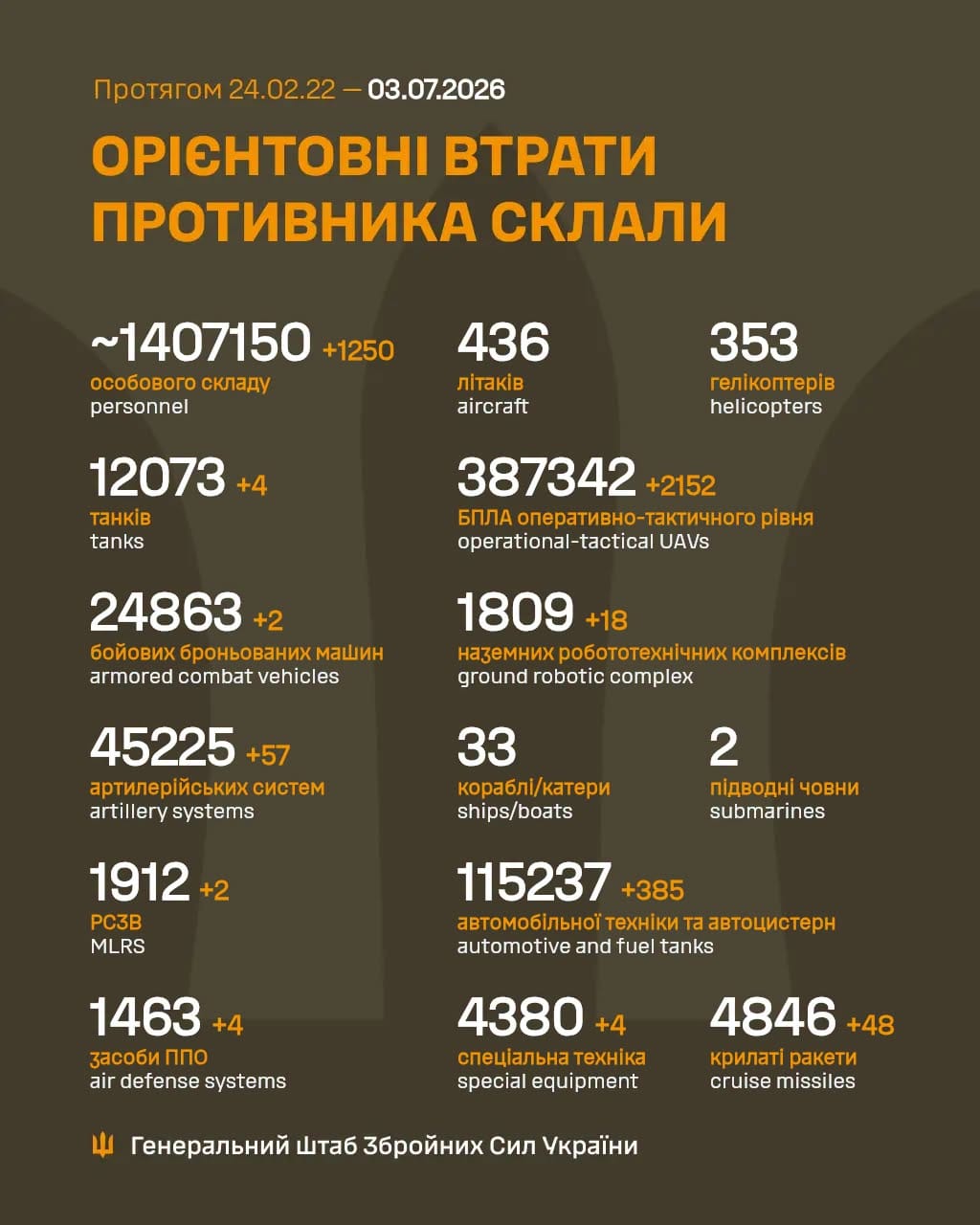
The number of tanks and armored vehicles lost continue to be light. In part, this is because Russia has significantly exhausted what had seemed to be an inexhaustible supply of tanks. The days when someone had to worry about Russian armor racing through the Fulda Gap are long over.
What Russia is still losing in unsustainable numbers is men. Week after week, month after month, Russia has been suffering casualties at a rate that exceed its level of recruitment. Having emptied the prisons and dragooned the provinces, Russia is now eating the future by draining its universities. And it still can't keep up with the losses.
The other notable number on the chart is the number of support vehicles and fuel tanks that are being taken out daily. This speaks loudly about Ukraine's growing fleet of medium range drones that are capable of striking transports and depots well behind the lines. Those numbers don't even count the pounding Ukraine is delivering to Russian refineries, storage fields, and transportation infrastructure hundreds of kilometers from the action.
 NOELREPORTS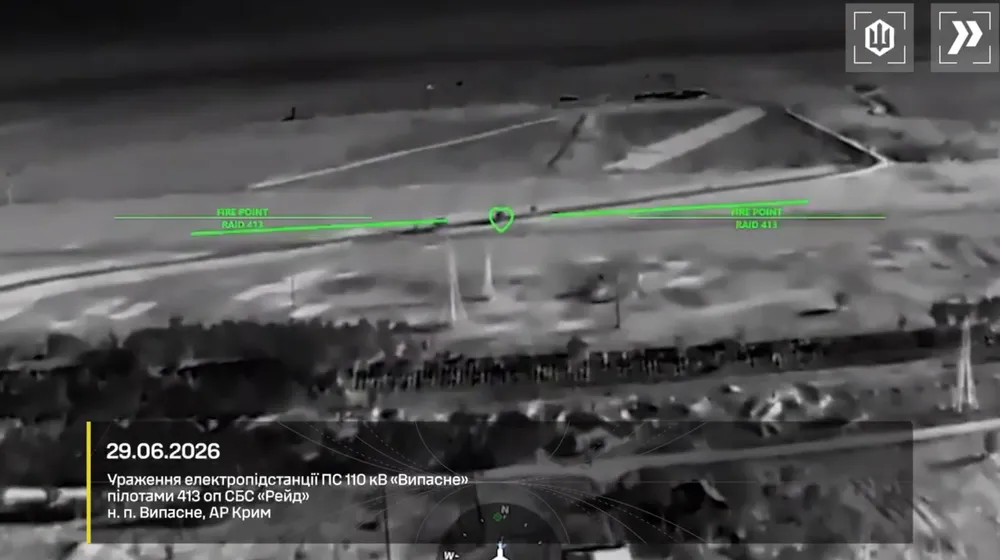
Those attacks may not show up immediately on the casualty reports, but they do result in casualties. And the impact is felt by more than the Russian military.
 Anton Gerashchenko
While they haven't coalesced into the kind of broad counteroffensive that so many expected in 2023, Ukraine continues to advance at a number of locations in Zaporizhzhia. Some of these towns are the same locations that were targeted in the planned 2023 counteroffensive. Only this time, Ukraine seems to be having more success without the heavy losses.
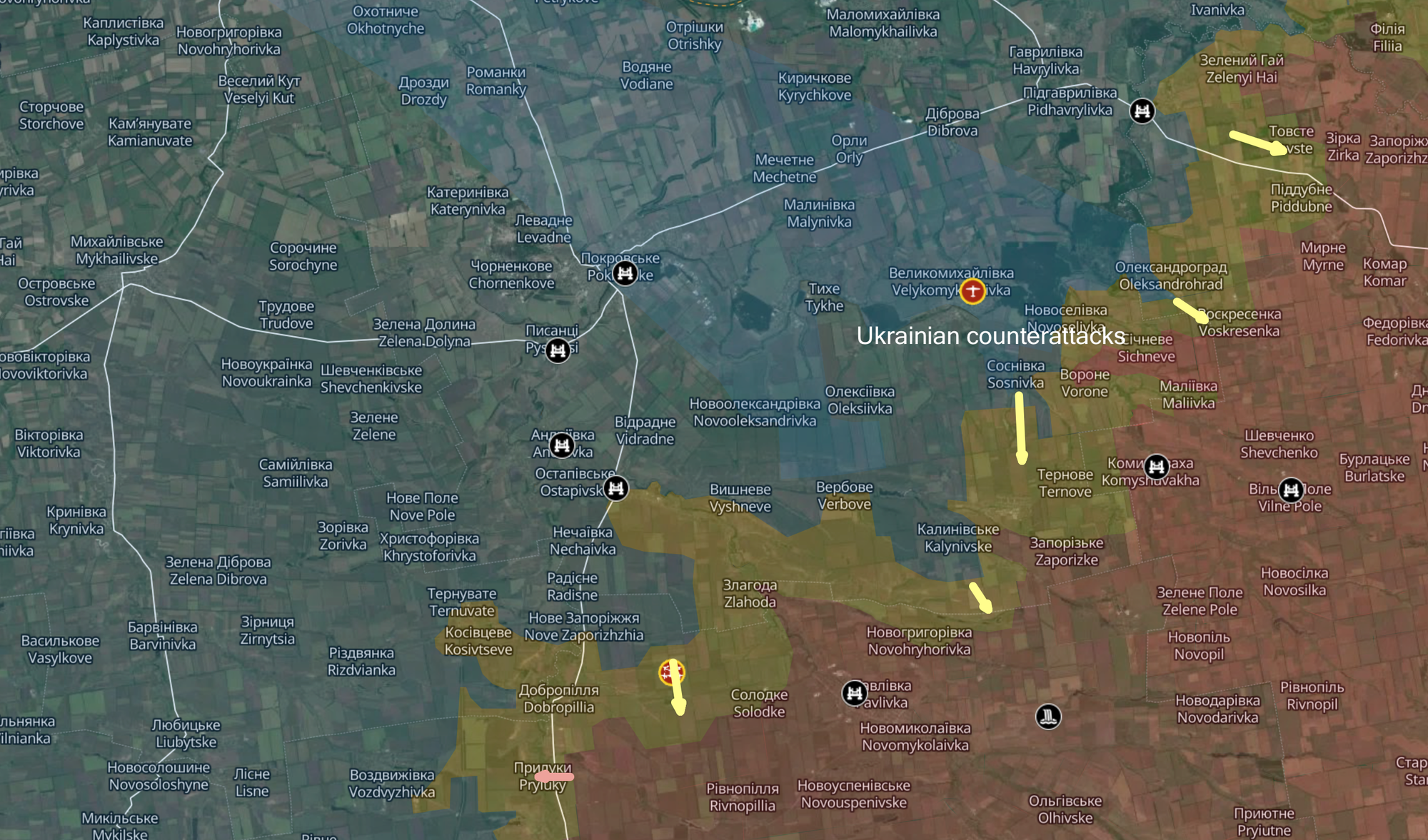
Last fall, Russia claimed to have captured multiple villages on the northern edge of the disputed territory in the map above. Now it's fighting to hang onto some that have been in the red zone for over a year. It's been far from easy going for Ukraine. Berezove (to the east of this image in Dnipropetrovsk Oblast) traded hands at least three times this year before Ukraine took what appears to be continued control.
The number of attempted movements on both sides appears to be heating up with 255 conflicts reported in a single day. On top of this, Russia is doubling down on its tactic of attacking civilian locations.
 🦋Special Kherson Cat🐈🇺🇦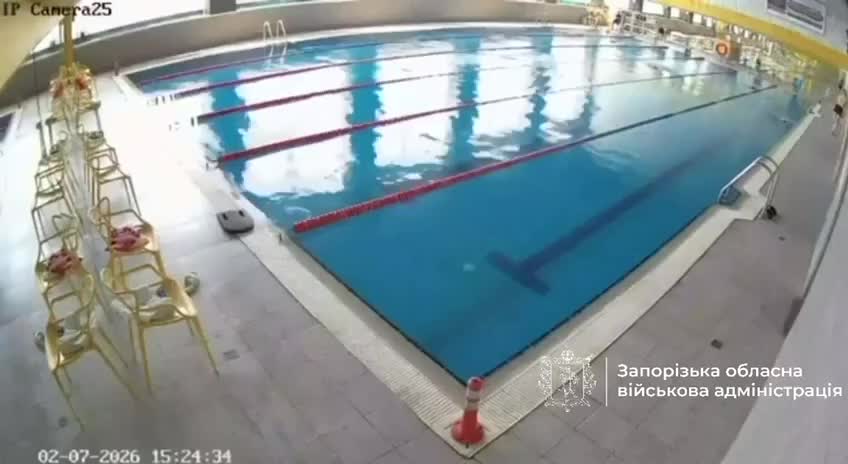
- Ukraine successfully conducted limited counteroffensives in March and May.
- It continues to conduct small scale counter attacks at a number of locations in both Kharkiv and Zaporizhzhia.
- Russia's spring offensive appears to be halted, if not completely over.
- Drone and missile exchanges continue with Russia concentrating on generating civilian casualties while Ukraine focuses on limiting Russia's fuel and transportation infrastructure
- For both sides, a front line dominated by drones and artillery is an extremely dangerous area.
- Whether Ukraine has put together a formula that will allow it take advantage of Russian strategic issues and advance as it did in Kharkiv or Kherson in 2022 remains unknown.
However, it's clearly getting hot outside. Especially in Ukraine.
 AmplifyUkraine 🔱🇺🇦









Comments
We want Uncharted Blue to be a welcoming and progressive space.
Before commenting, make sure you've read our Community Guidelines.