

You may not have noticed yet, but a monster is rising from the Pacific. Scientists are warning that a potential "Godzilla" El Niño is set to bring a blast of heat that could cause billions of dollars in damage and threaten crops around the world.
Meanwhile, Donald Trump has decided that the best way to deal with a blockade of the Strait of Hormuz is to impose another blockade, ensuring that only a handful of ships are permitted to transit the strait each day. Not only is the world facing the highest oil prices since the pandemic, but a third of the fertilizer the world needs to grow crops is unavailable.
At the same time, Trump has destroyed agencies like USAID that helped prevent previous regional food shortages from turning into worldwide carnage. He has also targeted the National Center for Atmospheric Research, which is charged with preparing for and responding to severe weather and other natural disasters.
Put this all together, and the possibility of a food shortage that grows from regional crisis into an overwhelming global catastrophe seems all too possible.
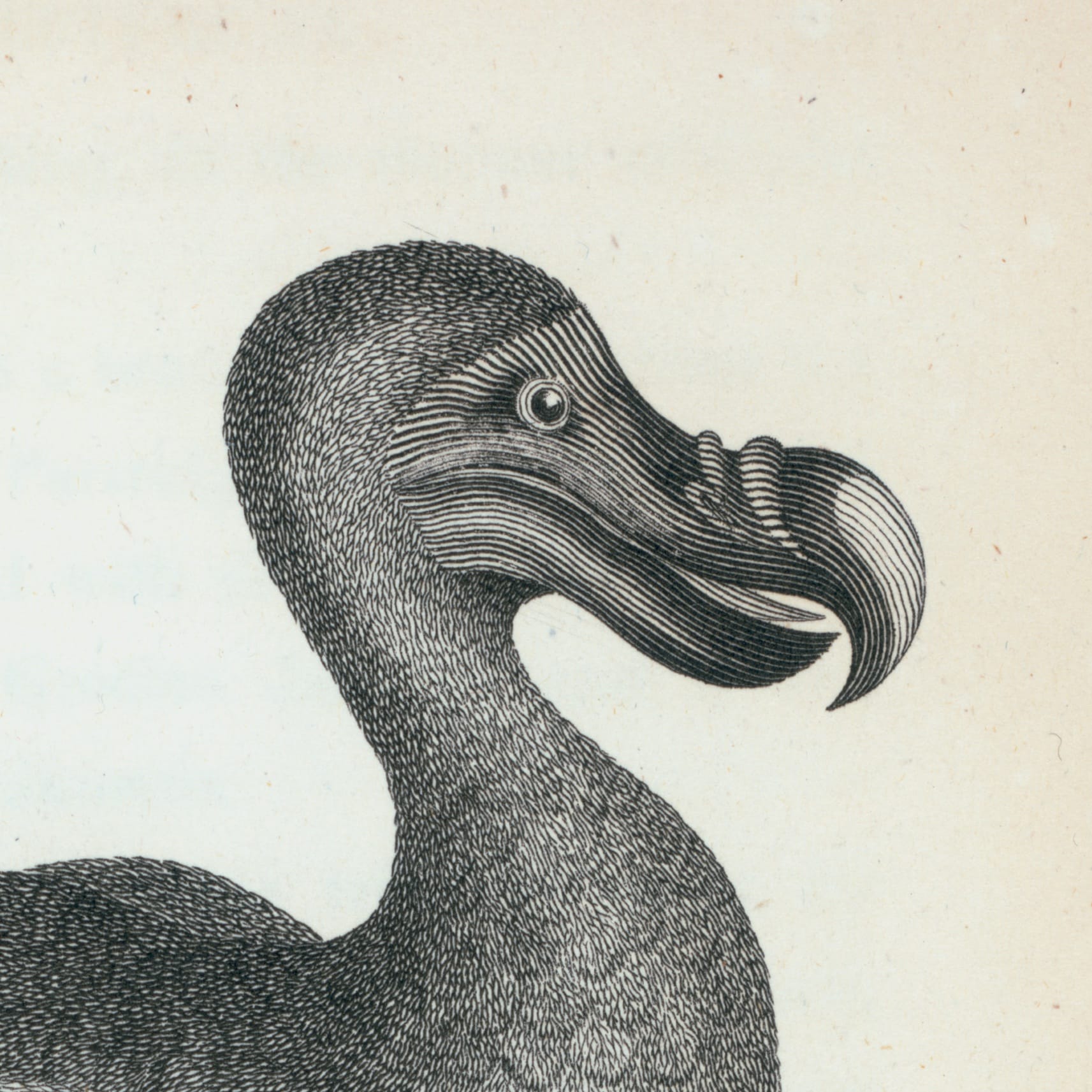
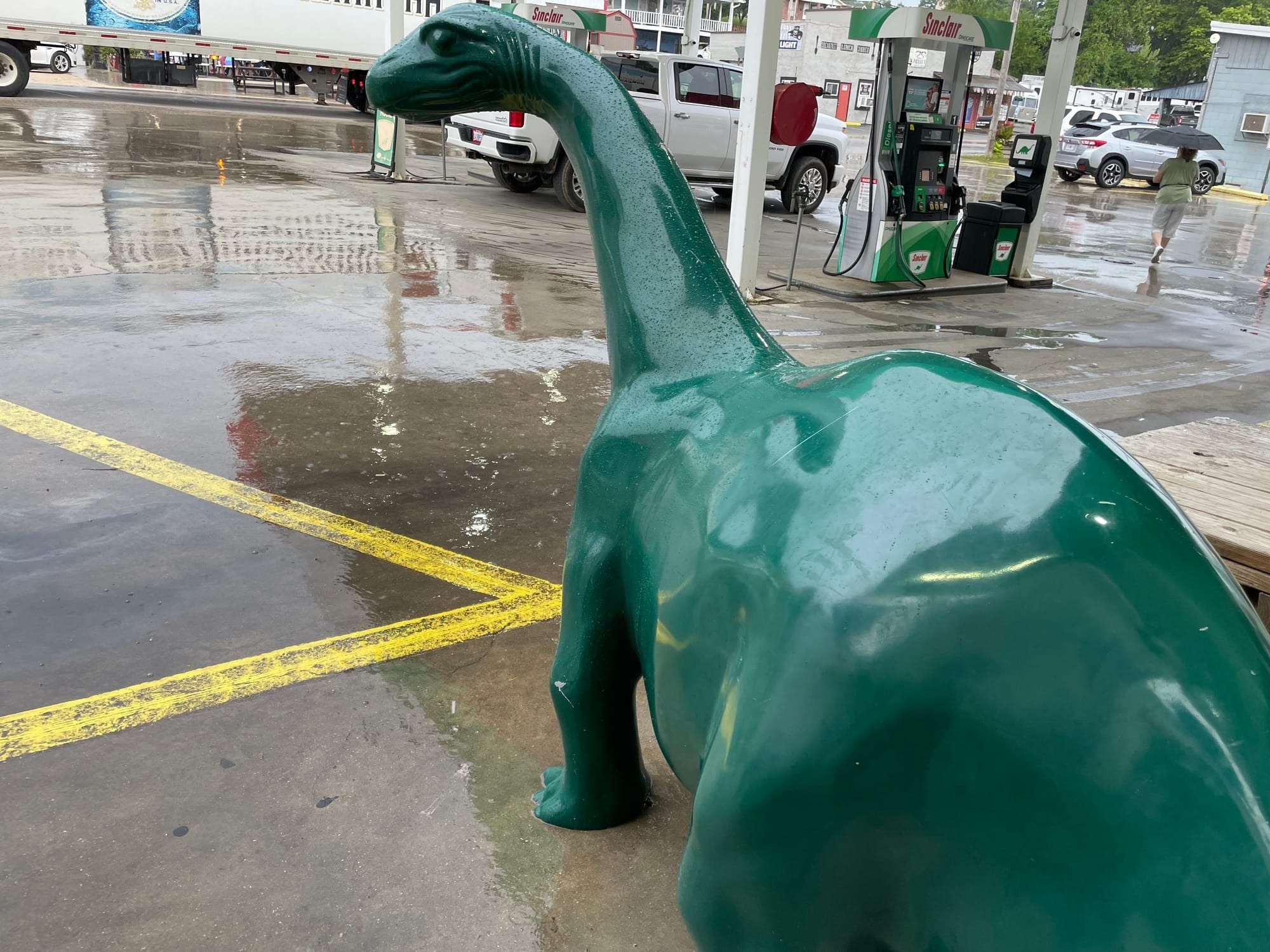
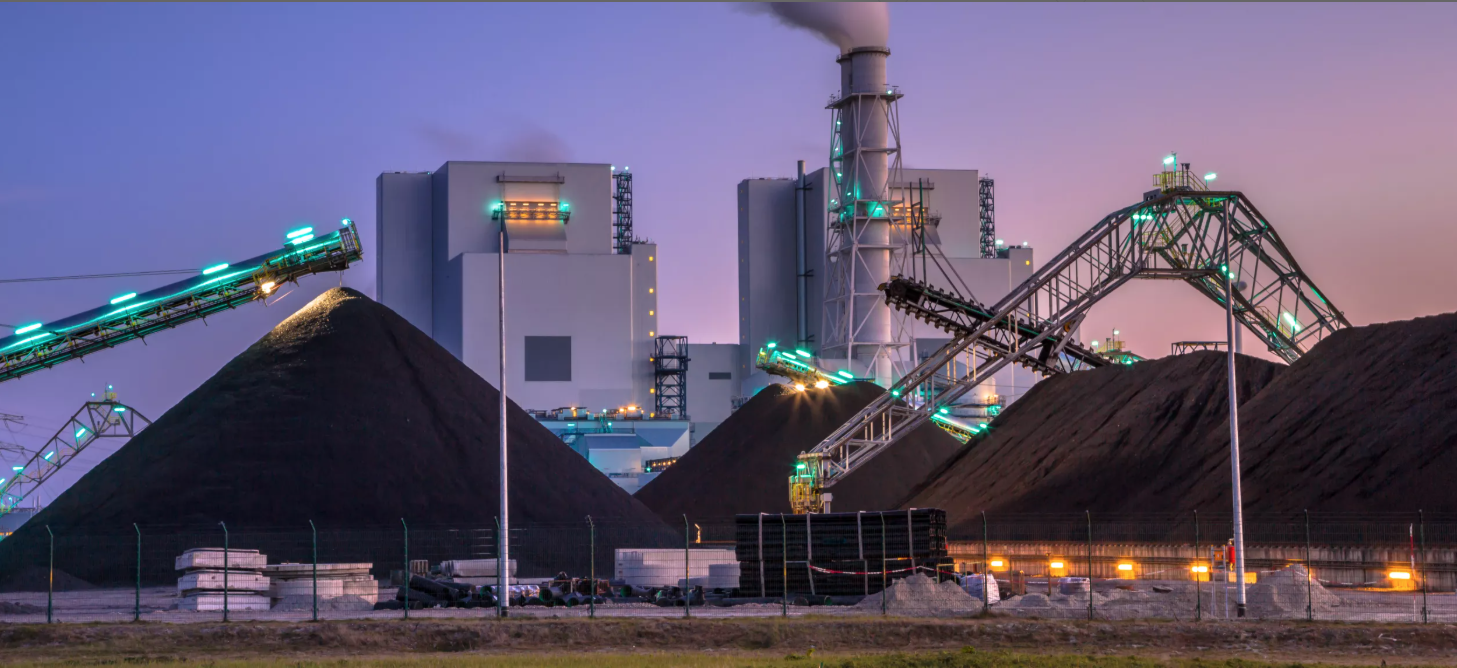
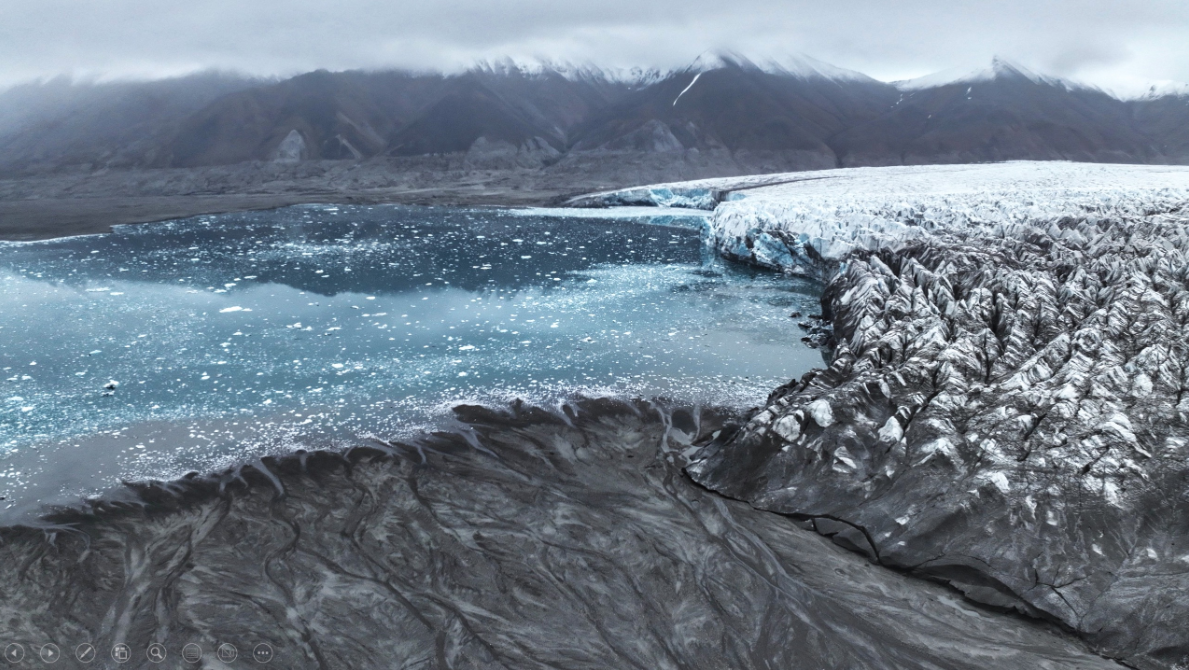
A big green lizard, a large orange idiot, and a black horse
The Godzilla El Niño is not a sure thing, but according to the World Meteorological Organization, it is increasingly likely.
El Niño events affect temperature and rainfall patterns in different regions and typically have a warming effect on the global climate. Thus, 2024 was the hottest year on record because of the combination of the powerful 2023-2024 El Niño and human-induced climate change from greenhouse gases.
That 2024 cycle was not a strong El Niño. The last strong cycle occurred in 2015-2016.
The 2016 El Niño not only helped raise global temperatures to new records, it also led to drought in places as far apart as Australia and Venezuela, mudslides in California, and flooding in both Europe and Africa. It drove a series of devastating cyclones in the Central Pacific and triggered famines in Ethiopia, Nigeria, Somalia, and South Sudan.
Food shortages affected hundreds of millions of people. Fortunately, agencies like USAID were on hand to take anticipatory actions, heading off the worst outcomes with advanced planning, logistical expertise, and exports of food made possible by plentiful harvests in the United States.
That won't be the case in this El Niño cycle. Not only has USAID been gutted beyond all ability to help anyone, but there's also no guarantee that the U.S. will be exporting any food. Thanks to Trump's "brilliant" blockade the blockade strategy, the Farm Bureau reports that 70% of American farmers are unable to afford all the fertilizer they need for this growing season.
This is affecting far more than corn, which is largely used for ethanol or cattle feed.
More than 80% of rice, cotton and peanut producers reported they cannot afford all required fertilizer, highlighting the vulnerability of these production systems to input cost shocks. Over half of all commodities report not being able to afford all fertilizer needs this year.
The combination of scarce fertilizer and rapidly changing weather conditions makes this year particularly challenging for U.S. agriculture. Those problems are compounded by Trump's ongoing effort to dismantle reliable predictions so that no one can tell how climate change is increasing the El Niño threat.
The Trump administration is dismantling the National Center for Atmospheric Research in Colorado, moving to dissolve a research lab that a top White House official described as "one of the largest sources of climate alarmism in the country.″
That "alarmism" took the form of carefully tracking changes to the Earth's atmosphere for decades, it was also the primary center for research to ","
If all this wasn't bad enough, the U.S. was already facing a farming crisis brought on by Trump's tariffs and immigration policy. In 2025, bankruptcy filings were up 70% in the Midwest, 69% in the Southeast, and 75% in the Southwest as farmers struggled against closed markets, rising supply costs, and a shortage of workers.
If Donald Trump had set out to break every rung of the agriculture system that provided the United States with an abundance of inexpensive food, one of our largest exports, and an unmatched tool for diplomacy, he could not have done a better job. Maybe that was always the plan. And he got farmers to vote for it.
It seems unlikely that the crisis in the Strait of Hormuz will be solved in time for farmers to meet their needs for this growing season — or to avoid a global recession. It's equally unlikely that Trump will decide to reassemble NOAA or find a way to replace USAID's singular skill for working with foreign governments to get food and medicine where it's needed.
That leaves us staring at the Pacific, crossing our fingers in hopes that Godzilla doesn't rise. And maybe he won't.
However, research shows that dozens of past famines can be connected to El Niño cycles, some of which have been genuinely devastating.
From 1876 to 1878, the Great Famine killed between 30 and 60 million people around the world. Drought enveloped much of the planet, causing food shortages all the way from Brazil to India and China, and wiping out approximately three percent of the global population.
That event was so disruptive that it toppled governments and defined much of the global economy for more than a century, creating the system of "first world" and "third world" countries. A comparable event today could not only generate unthinkable starvation but also spread disease, upend global economic systems, and trigger widespread conflict.
That's the thing about that guy on the black horse; he seldom rides alone.








Comments
We want Uncharted Blue to be a welcoming and progressive space.
Before commenting, make sure you've read our Community Guidelines.