
The 30th United Nations climate summit, COP30, convened this month under the banner of the “COP of Truth.” It concluded Saturday with an agreement as murky as the cloud of smoke from the diesel generators outside the conference center where thousands of delegates and observers met and debated in Belém, Brazil.
The main engines of global warming, fossil fuels, were barely mentioned in the summit’s final declaration, leaving a planet on fire without a solid plan to put it out thanks in great part to the arsonists who keep stoking it. The disappointment was palpable in the heated plenaries, protests, and the eyes of delegates from climate-vulnerable small nations, including islands at risk from vanishing beneath rising seas.
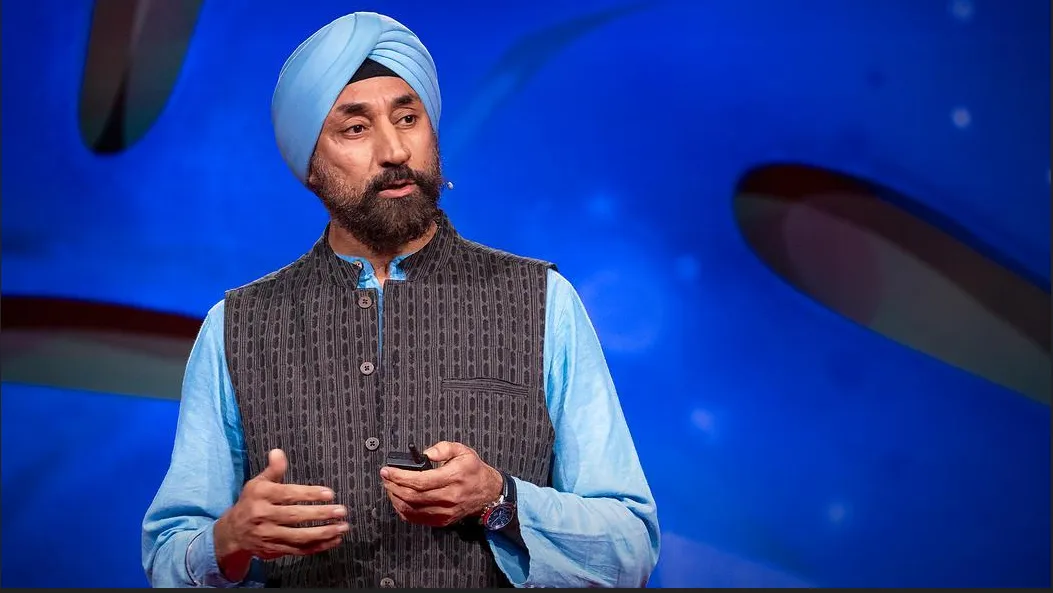
Harjeet Singh, founding director of the Satat Sampada Climate Foundation, called the summit “the deadliest talk show ever,” a “theater of delay.” Throughout, Russia, the Saudis, and other fossil fuel-dependent nations were stalwart obstacles to climate action, particularly when it comes to phasing out the burning of fossil fuels. If the climate science-denying Trump regime had sent an official delegation instead of boycotting the summit, it would have no doubt joined (or led) those nations in throwing a wrench into the works.
Steven Victor, Palau’s environment minister, warned delegates: “We are dangerously close to a 1.5°C global warming overshoot … Unless we choose the path of course correction right here and now, leaders are dooming our world to disaster.”

At the core of this summit was the same conflict as at past ones: The world cannot afford to keep burning oil, coal, and gas. But despite the vigorous efforts of some nations, we Earthlings have still not gotten ourselves on a trajectory to keep warming below 2°C (3.6°F) by century’s end, much less the 1.5°C (2.7°F) that previous summits have agreed to as an aspirational goal.
The scientific consensus now says we’re headed for warming of 2.6°C to 2.8° over preindustrial times by 2100. Some scientists put the number at 3°C or more. Climatologist James Hansen goes farther than that, saying that Earth’s “true warming sensitivity” from a doubling of carbon dioxide is about 4.8°C (8.6°F). He has gotten a lot of disagreement on that from others in the field. But one thing ever more scientists are agreeing with Hansen about is that climate change is accelerating. What’s not accelerating is collective climate action.
A draft text of the COP30 final declaration released Tuesday had explicitly called for a phase-out of fossil fuels that delegates from dozens of nations supported. The phase-out — known as the “UAE Consensus” — was first agreed to in the final statement of the 2023 COP28 summit in Dubai, employing the words “transition away from fossil fuels in energy systems, in a just, orderly and equitable manner, accelerating action in this critical decade, so as to achieve net zero by 2050.”
By the final gavel this weekend, however, that 2-year-old language had been diluted into passivity and a vague nod: “...the global transition towards low greenhouse gas emissions and climate-resilient development is irreversible and the trend of the future.”
More than 80 countries had proposed discussions at the summit on a phase-out roadmap and timeframe for the green transition. But even a watered-down proposal for a voluntary plan with no built-in milestones or deadlines was opposed by Saudi Arabia, Russia and other petro-states. COP30 President André Corrêa do Lago ultimately relegated the roadmap to a future, optional initiative. Just kicking that can down the road again, again, again.
Some countries opposed to the roadmap had said Thursday they would to walk out of the talks. On the other side, The Guardian was shown a letter that had been sent to the COP30 presidency by roadmap supporters. It set a “red line” for the talks, stating:
“We cannot support an outcome that does not include a roadmap for implementing a just, orderly, and equitable transition away from fossil fuels. This expectation is shared by a vast majority of Parties, as well as by science and by the people who are watching our work closely. The world is looking to this COP to demonstrate continuity and progress after the Global Stocktake. Anything less would inevitably be seen as a step backward.”
[The global stocktake refers to the monitoring of how well the Paris Agreement’s implementation of agreed goals. Experts say the roadmap would take at least a year to complete —MB]
Former Vice President Al Gore criticized the summit’s outcome bluntly, “Petrostates and their political allies are doing everything they can to try to stop the world from making progress on solving the climate crisis.”
Johan Rockström, director of the Potsdam Institute, warned: “Our only chance of keeping 1.5°C within reach is to bend the global curve of emissions downward in 2026 and then reduce emissions by at least 5% a year. [That] requires concrete roadmaps to accelerate the phase-out of fossil fuels and protection of nature. We got neither.”
From the islands of the South Pacific to those of the Caribbean, voices of the Global South demanding urgent action rang clear at the summit. They were, however, drowned out by the hundreds of lobbyists and petro-state representatives on hand.
For nations already facing the impacts, climate action is not abstraction — it’s survival. Just like the rest of us, they cannot succeed alone. Adaptation finance is desperately needed, and Article 9.1 of the Paris agreement obliges wealthy nations to provide climate finance. But COP30’s final declaration couched pledges to do so in ambiguous language, offering to “at least triple adaptation finance” annually by 2035. That tripling would bring total adaptation funding to $120 billion a year. But that would still be far below the $360 billion a year experts say is needed. Brandon Wu of Action Aid captured the situation, “Ten years from now is an unimaginably long time for communities facing life-threatening impacts now.”
Colombian President Gustavo Petro rejected the final declaration outright: “It is not clearly stated, as science says, that the cause of the climate crisis is the fossil fuels used by capital.” Tuvalu’s environment minister, Maina Talia, echoed this sentiment: “The Pacific came to COP30 demanding a survival roadmap away from fossil fuels. Yet this text does not even name the threat to our existence.”
The final declaration celebrated more 400 voluntary initiatives, ranging from corporate pledges to municipal projects. While encouraging, these initiatives are insufficient. They cannot substitute for a binding roadmap to phase out fossil fuels or a legal framework ensuring finance flows where it is most needed.
Related:
- COP30: Key outcomes agreed at the UN climate talks in Belém by Carbon Brief
- Gavin Newsom is a star of COP30 — but his climate receipts are messy by Atmos
- U.N. climate talks fizzle out 10 years after Paris accord by The Washington Post
End of fossil fuel era inches closer as Cop30 deal agreed after bitter standoff by The Guardian - US Is (Officially) Gone, But Not Forgotten, at COP30 by Inside Climate News
COP30: Ibero-America's moment in the face of the climate crisis by El País (English version)











Comments
We want Uncharted Blue to be a welcoming and progressive space.
Before commenting, make sure you've read our Community Guidelines.